
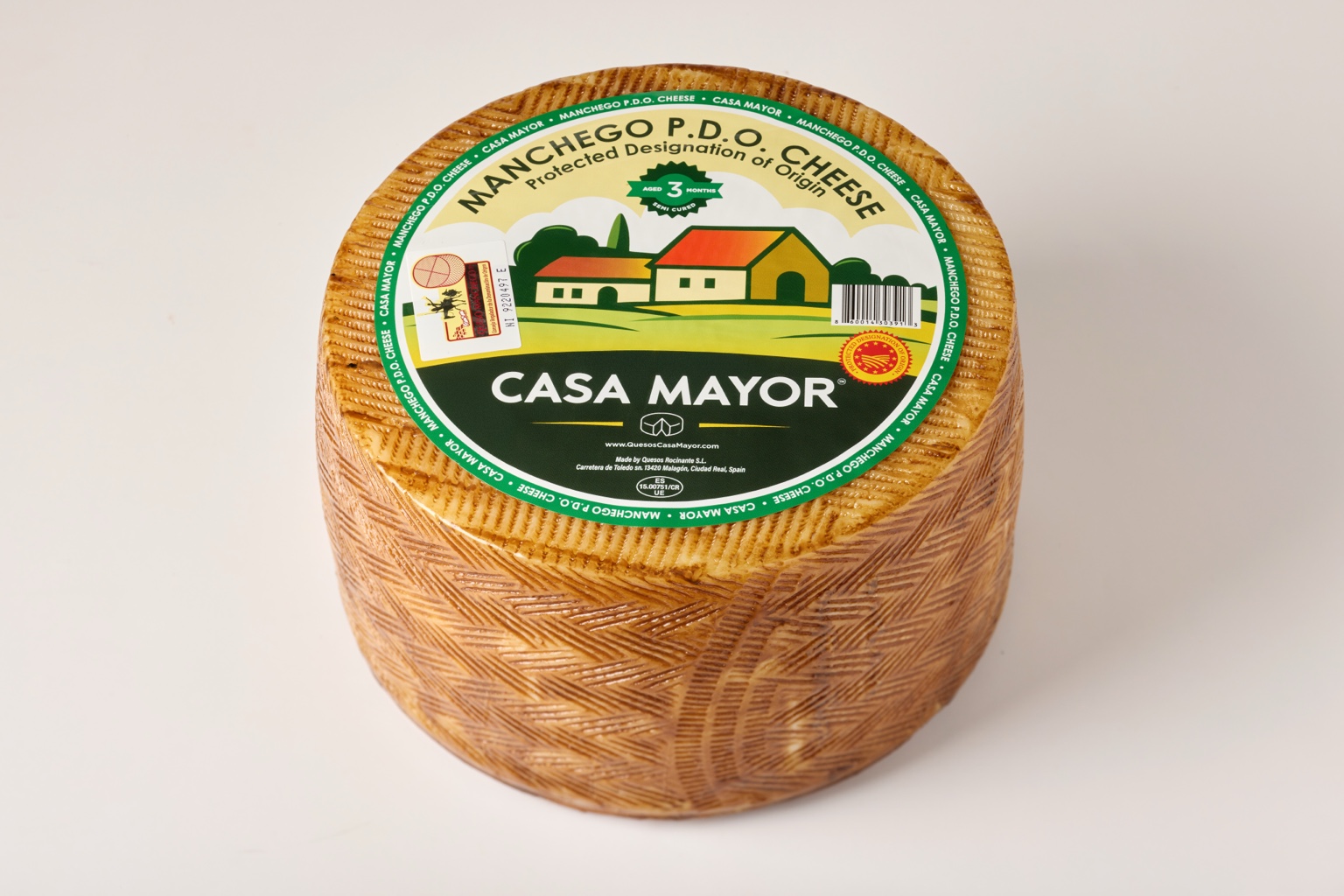
 03 MONTHS
Fresh & approachable
Gentle, buttery and relatively supple, with delicate sheep’s milk notes and a pleasingly mild finish. A welcoming introduction to Manchego.
Enjoy with pears, fresh bread and mild olives.
Discover 3-month Manchego CONTACT US
From creamy and delicate to bold and beautifully complex: discover how 3, 6, 12 and 18 months of maturation transform the texture, aroma and flavor of authentic Manchego cheese.
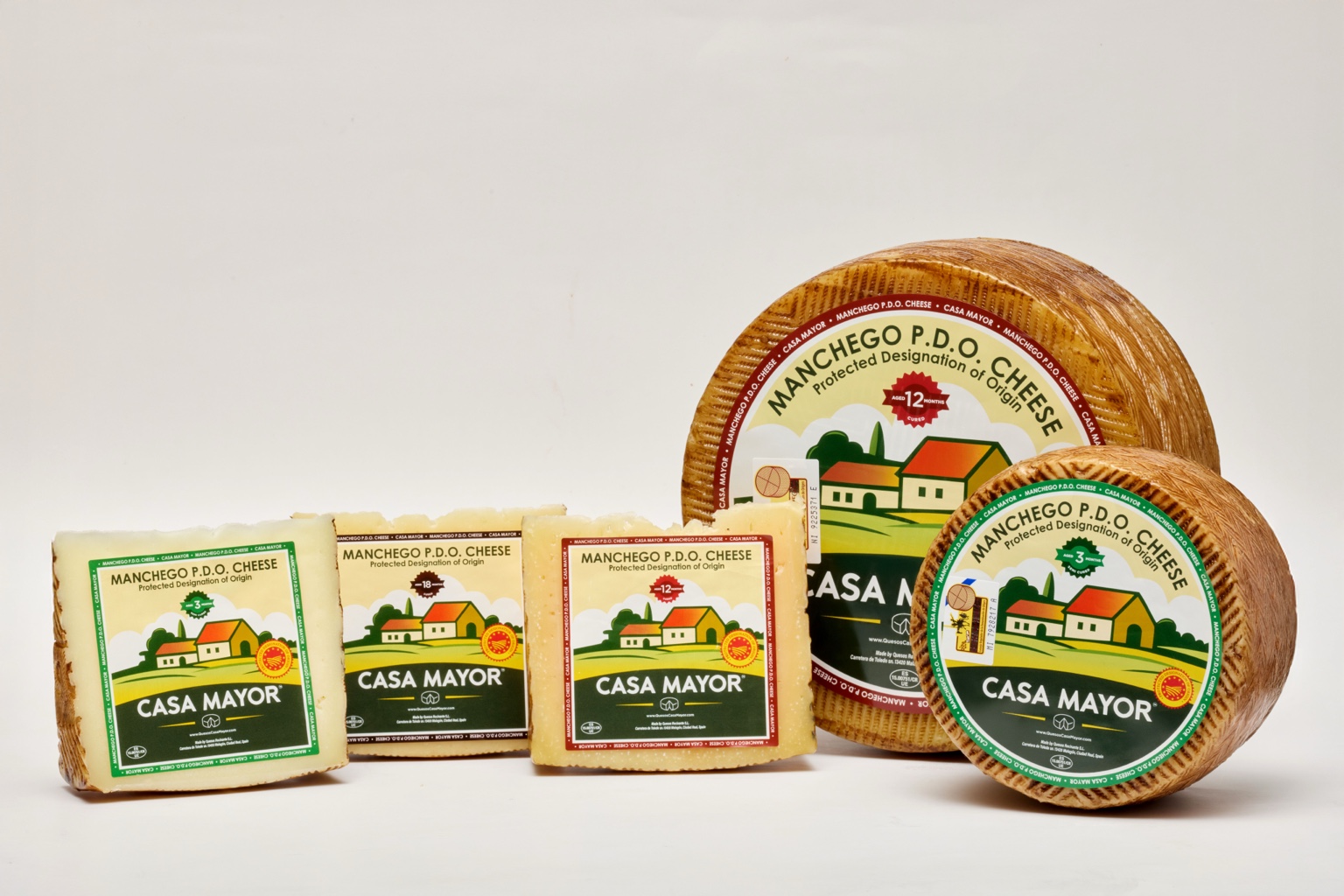
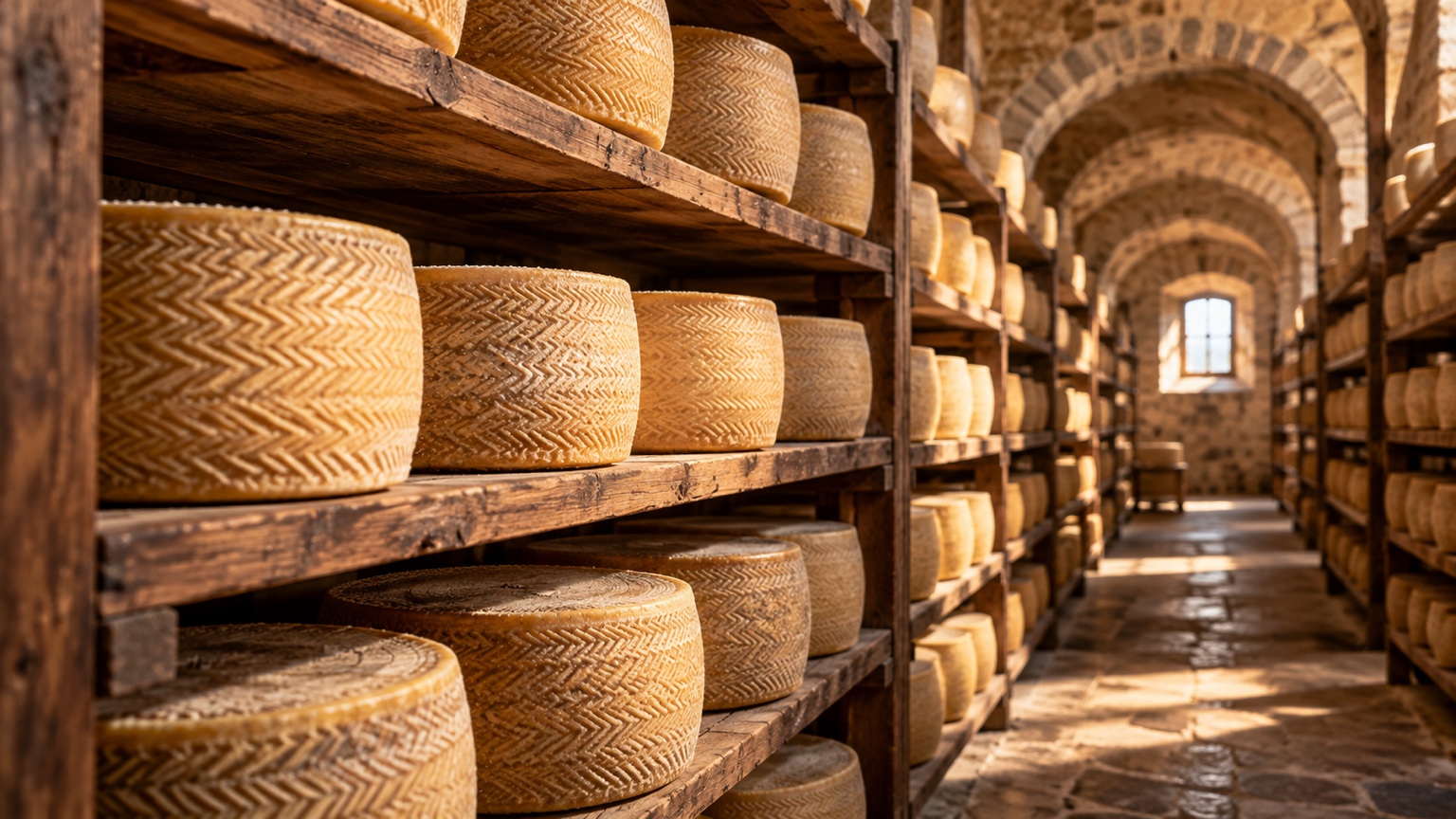
Manchego is a Protected Designation of Origin (P.D.O.) cheese made from the milk of Manchega sheep in Castilla-La Mancha, Spain. Its distinctive character begins with the milk and the place it comes from—but maturation is what gives each wheel its individual personality.
As a cheese matures, it gradually loses moisture and undergoes natural changes to its proteins and fats. The result is a shift in texture, aroma and taste: younger Manchego tends to be softer and more approachable, while longer-aged examples are typically firmer, more concentrated and more persistent on the palate. Aging is a useful guide, not a guarantee; individual batches vary.
Compare the characteristics commonly associated with Casa Mayor’s four aging expressions.
03 MONTHSGentle, buttery and relatively supple, with delicate sheep’s milk notes and a pleasingly mild finish. A welcoming introduction to Manchego.
Enjoy with pears, fresh bread and mild olives.
Discover 3-month Manchego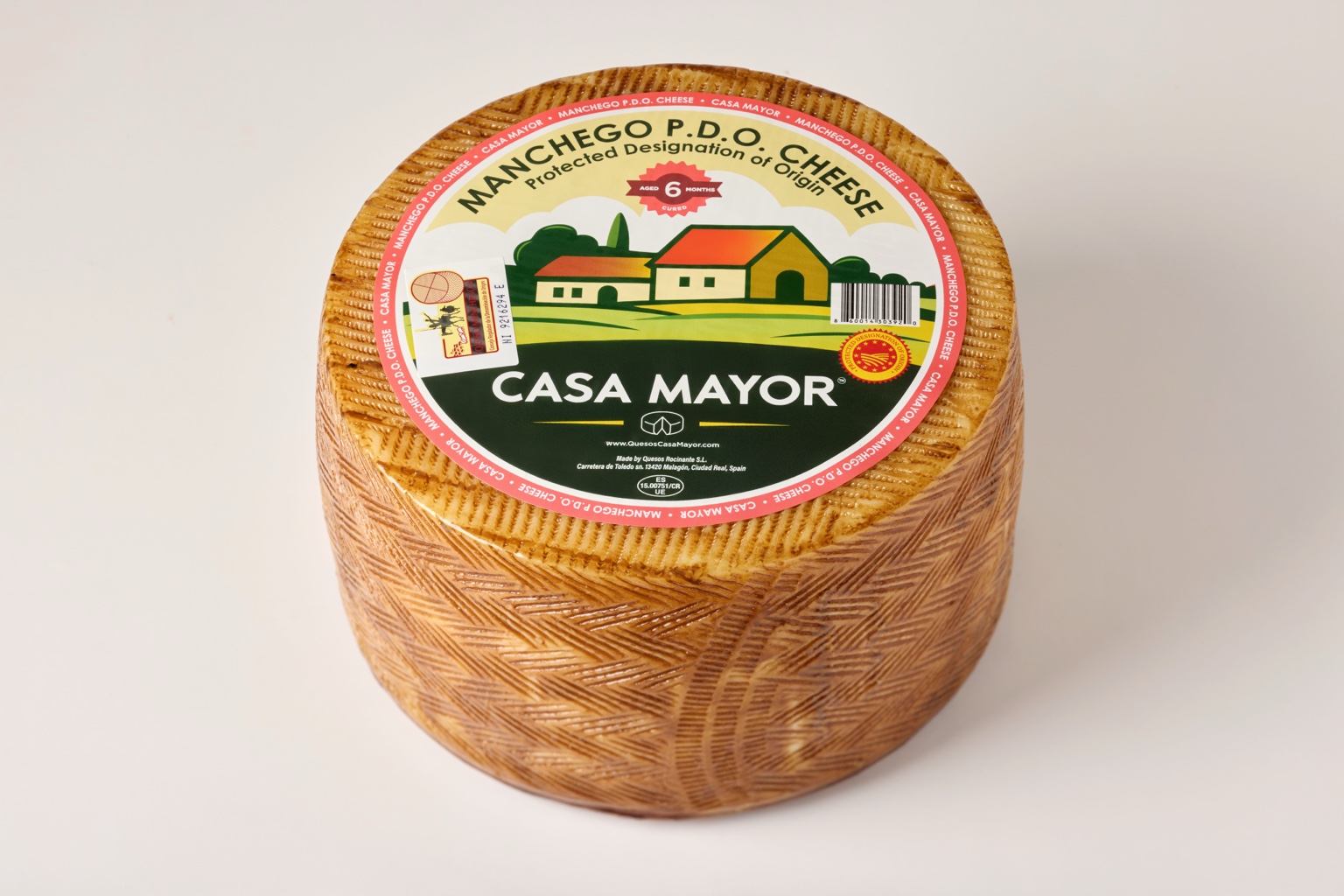 06 MONTHS
A firmer bite and more developed savory character, with a balanced richness that makes it a versatile centerpiece for tapas and cheese boards.
Enjoy with Marcona almonds, quince paste and cured ham.
Discover 6-month Manchego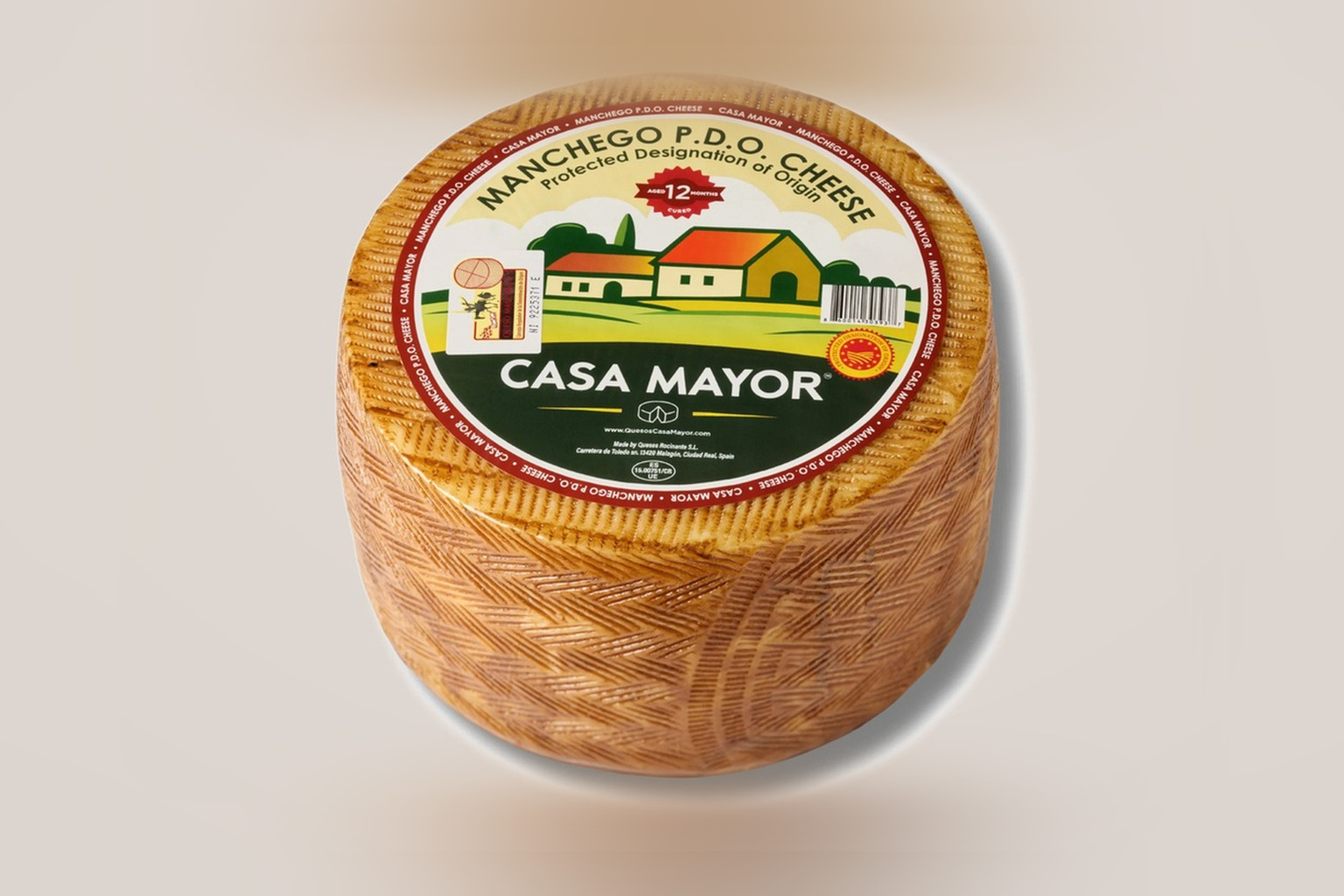 12 MONTHS
Typically denser and more concentrated, with pronounced savory and nutty impressions. A memorable choice for guests who enjoy mature cheese.
Enjoy with toasted nuts, fig preserves and structured red wine.
Discover 12-month Manchego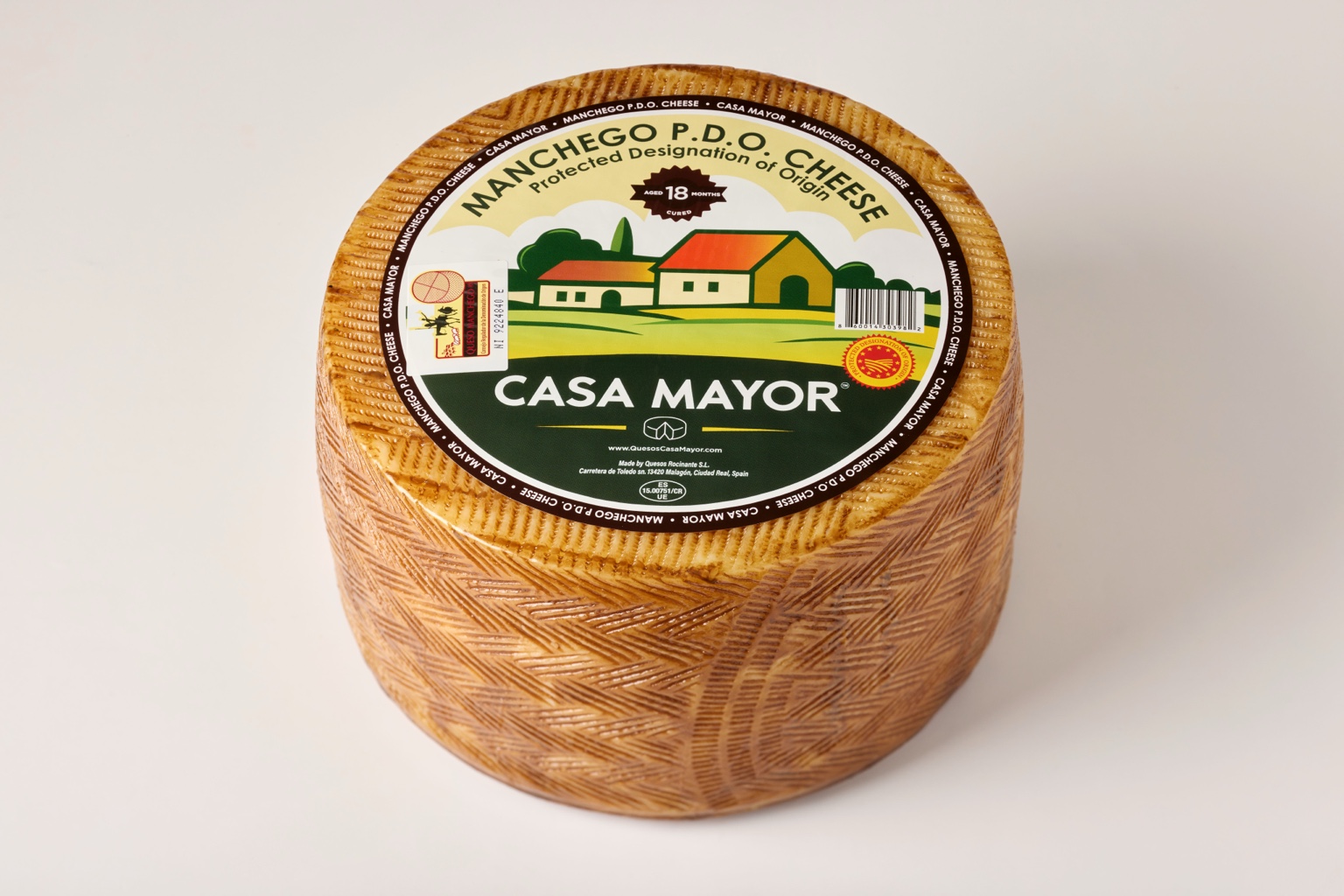 18 MONTHS
Long maturation can produce a firm, sometimes crumbly texture and an intense, persistent flavor that invites slow tasting in small portions.
Enjoy with walnuts, a little honey or a robust Spanish red.
Discover 18-month Manchego| Age | Typical texture | Flavor profile | Best for |
|---|---|---|---|
| 3 months | Supple to semi-firm | Mild, creamy, delicate | First-time tasters and everyday snacks |
| 6 months | Firm, smooth bite | Balanced, savory, slightly nutty | Tapas and entertaining |
| 12 months | Dense, more compact | Concentrated, nutty, complex | Cheese boards and thoughtful pairings |
| 18 months | Firm to crumbly | Bold, persistent, deeply savory | Slow tasting and mature-cheese lovers |
These descriptions are general tasting expectations, not laboratory specifications or guaranteed characteristics of every wheel.
During maturation, moisture loss typically makes Manchego more compact. Younger cheeses tend to have a smoother, more yielding bite; older examples are often firmer and may become crumbly.
Natural ripening processes break down proteins and fats, helping develop more complex aromas and flavors. The familiar buttery character of a young cheese can give way to pronounced savory, nutty and lingering notes.
Age can influence both the intensity of a cheese’s aroma and how long its flavor remains after tasting. Serving temperature, milk characteristics and individual production choices also shape the final experience.
Two cheeses with the same age can taste different. That is why a side-by-side tasting is so useful: it reveals not only the influence of time but also the subtle personality of each wheel.
Arrange samples from youngest to oldest so delicate flavors are not overwhelmed by more intense ones. Allow the cheese to lose its refrigerator chill before serving, while following safe food-handling guidance and avoiding extended time at room temperature.
Begin with the 3-month cheese, then taste 6, 12 and finally 18 months. Notice the texture first, then aroma, saltiness, richness and length of finish. Try a small bite without accompaniments before adding bread, fruit, nuts or quince paste.
EXPLORE PAIRING IDEASNo. Aging changes the style rather than creating a universal quality ranking. A 3-month Manchego can be excellent for its creaminess, while an 18-month wheel may appeal to someone seeking intensity. The best age depends on your taste and how you plan to serve it.
Three-month Manchego is generally milder and more supple. Twelve-month Manchego is typically firmer, more concentrated and more complex in flavor. Both are made within the Manchego P.D.O. tradition, but offer distinctly different tasting experiences.
As the cheese matures, it usually loses moisture while its internal structure changes through natural ripening processes. These changes contribute to a denser texture and, in some longer-aged cheeses, a crumbly bite.
Yes. Authentic Manchego P.D.O. cheese is tied to the designated production area of Castilla-La Mancha and must meet the relevant protected-origin specifications, including use of Manchega sheep’s milk.
A 6-month Manchego is a versatile single choice. For a more interesting board, serve two or more ages—such as 3 and 12 months—to offer contrasting textures and flavor intensity.
Explore Casa Mayor’s four aging profiles on our Our Cheeses page. Available products link to our premium U.S. retail partner, Dao Gourmet Foods.
Explore Casa Mayor’s 3-, 6-, 12- and 18-month cheeses and find the age that speaks to your palate.
EXPLORE OUR CHEESES