
A region with a distinct identity
The Manchego P.D.O. production area lies within specified parts of the provinces of Albacete, Ciudad Real, Cuenca and Toledo. Not every cheese made in Spain, or even every sheep’s milk cheese, qualifies as Manchego.
 CONTACT US
A UNIQUE LAND. A UNIQUE CHEESE.
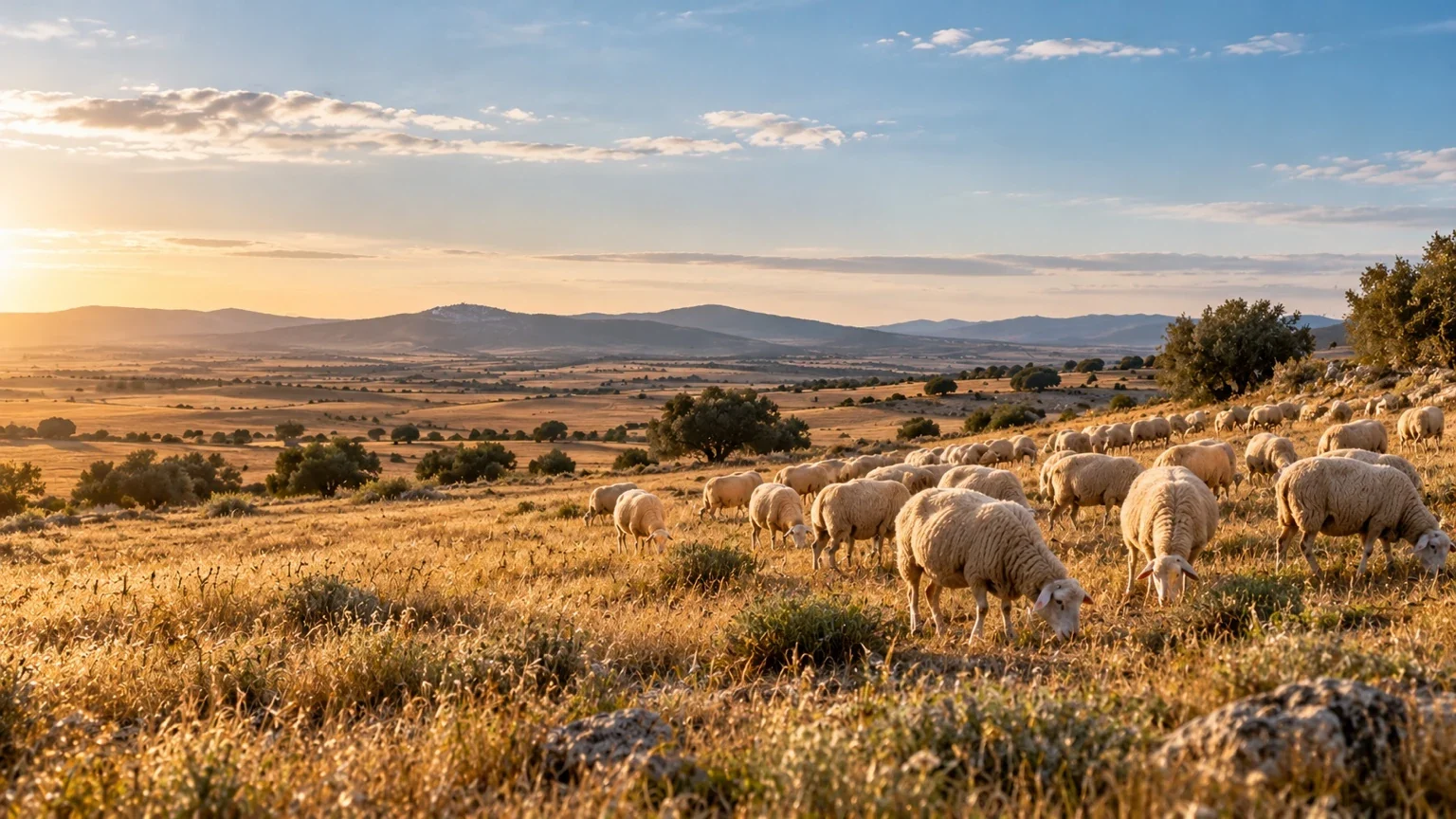
In the heart of Spain, wide plains, golden fields and centuries of agricultural life have shaped a region unlike anywhere else.
OUR STORY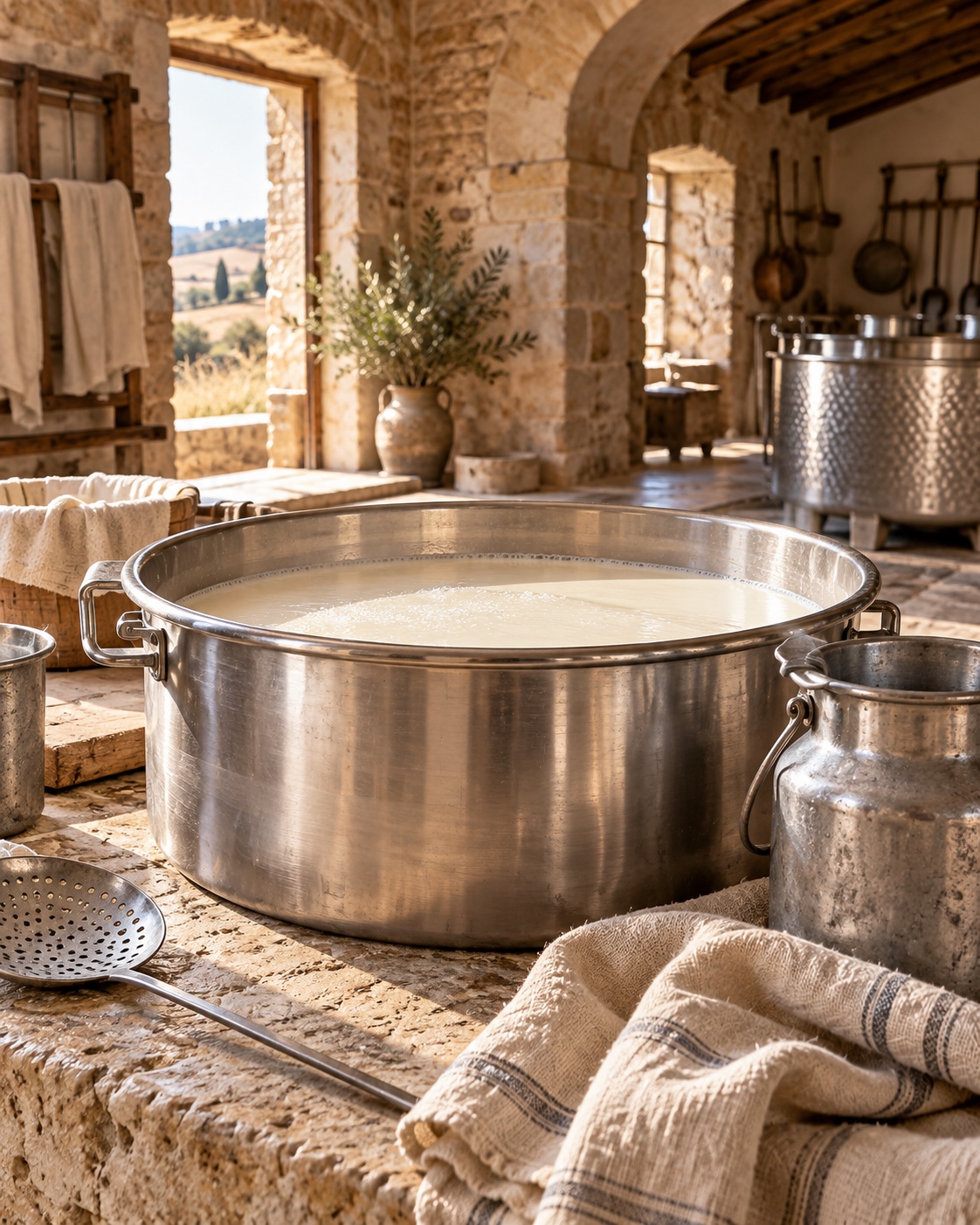
Manchega sheep have long been part of this landscape. Their milk gives authentic Manchego its distinctive character.
THE CHEESEMAKING PROCESS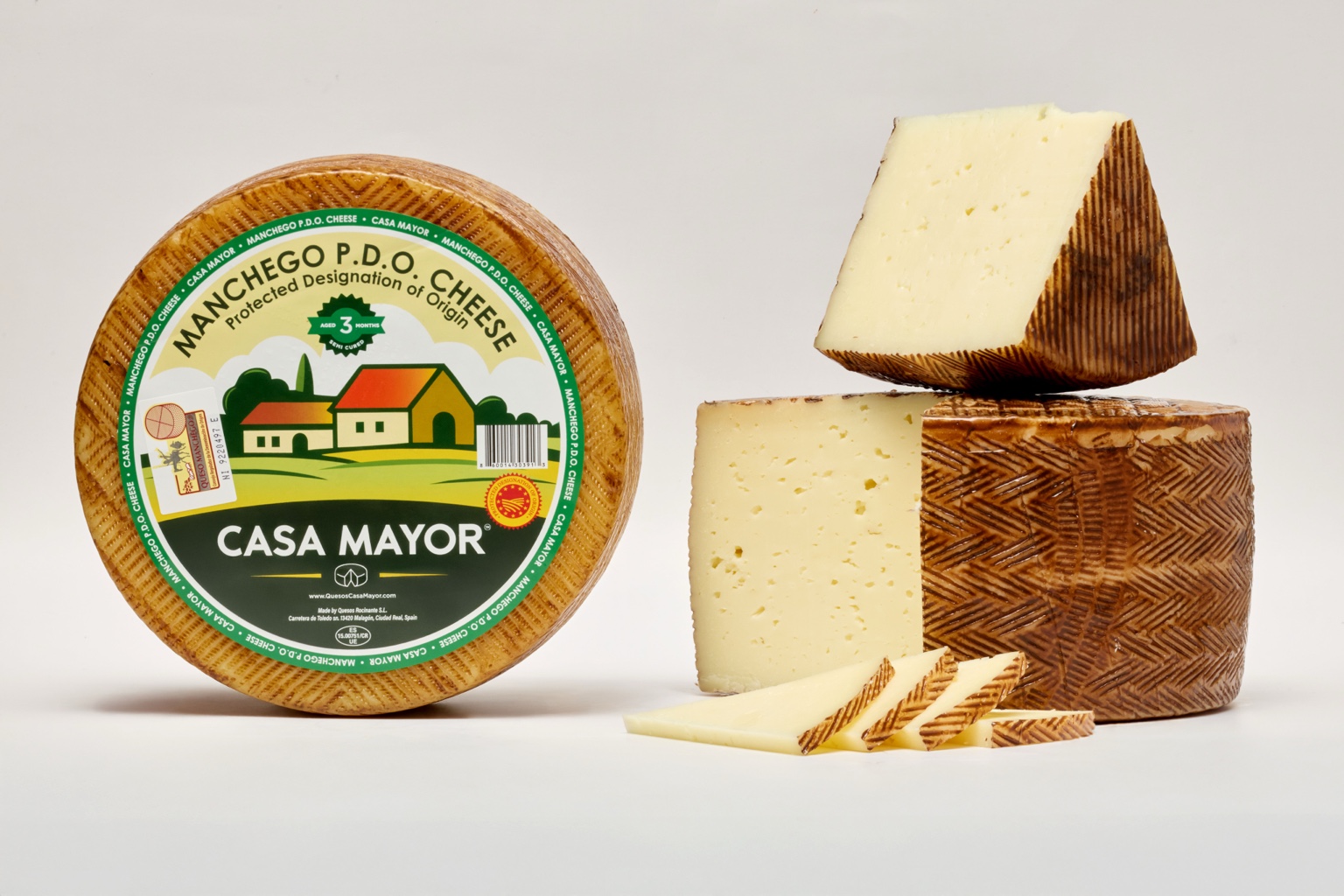
The Manchego P.D.O. identifies cheese made according to protected specifications within the designated geographical area of Castilla–La Mancha.
EXPLORE OUR CHEESESLa Mancha is a broad plateau in central Spain, known for open horizons, agricultural traditions and the windmills made famous by Don Quixote. For Manchego cheese, this landscape is not simply a backdrop: the protected origin ties the cheese to a defined geographic area and its longstanding sheep-farming culture.
The Manchego P.D.O. production area lies within specified parts of the provinces of Albacete, Ciudad Real, Cuenca and Toledo. Not every cheese made in Spain, or even every sheep’s milk cheese, qualifies as Manchego.
Manchega sheep and traditional pastoral life helped shape regional cooking. Manchego belongs at the table alongside bread, olives, nuts and other simple Mediterranean ingredients.
Discover the place that gives Manchego its soul.
DISCOVER OUR STORYThe region behind Manchego is not simply a backdrop. Its geography, livestock traditions and protected production rules are central to the cheese’s identity.
Known for its open plains, historic towns and enduring agricultural culture, Castilla-La Mancha is the home of Manchego. The cheese’s name refers to this place, making geographical origin an essential part of its story.
Sheep raising has long shaped the rural economy and food culture of the region. Manchega sheep are particularly important because authentic Manchego PDO must be made with their milk.
The PDO framework establishes requirements for where and how Manchego is produced. For shoppers, the designation provides a useful way to distinguish genuine Manchego from cheeses that imitate its style or use the name informally.
You do not need an elaborate menu to appreciate this regional tradition. A wedge of Manchego, good bread, almonds and seasonal fruit create a thoughtful introduction. Explore serving suggestions.
THE CASA MAYOR JOURNAL
Explore the origin, maturation and tasting traditions behind authentic Manchego PDO cheese.
La Mancha is a historic region of central Spain associated with open plains, agriculture and pastoral traditions. The PDO production area covers designated municipalities in the provinces of Albacete, Ciudad Real, Cuenca and Toledo.
The Manchega breed is inseparable from the identity of Manchego cheese. The PDO links the milk, production area and manufacturing rules to a product with a distinct geographical heritage.
A protected geographical name gives consumers a more meaningful way to understand what they are purchasing. When you see the official Manchego PDO identification, you are looking for more than a familiar name: you are looking for a product made according to a defined specification.
Look beyond the first taste: consider aroma, firmness, finish and the official PDO identification. Comparing different maturation periods reveals how time transforms the same protected cheese tradition.